Appliances are designed to make daily life easier, but when they break down, the cost of repairs can quickly become a major concern.
While some issues are minor and inexpensive to fix, others can cost hundreds—or even thousands—of dollars. The biggest problem is that many of these expensive repairs don’t happen suddenly. They usually start as small, unnoticed issues that worsen over time.
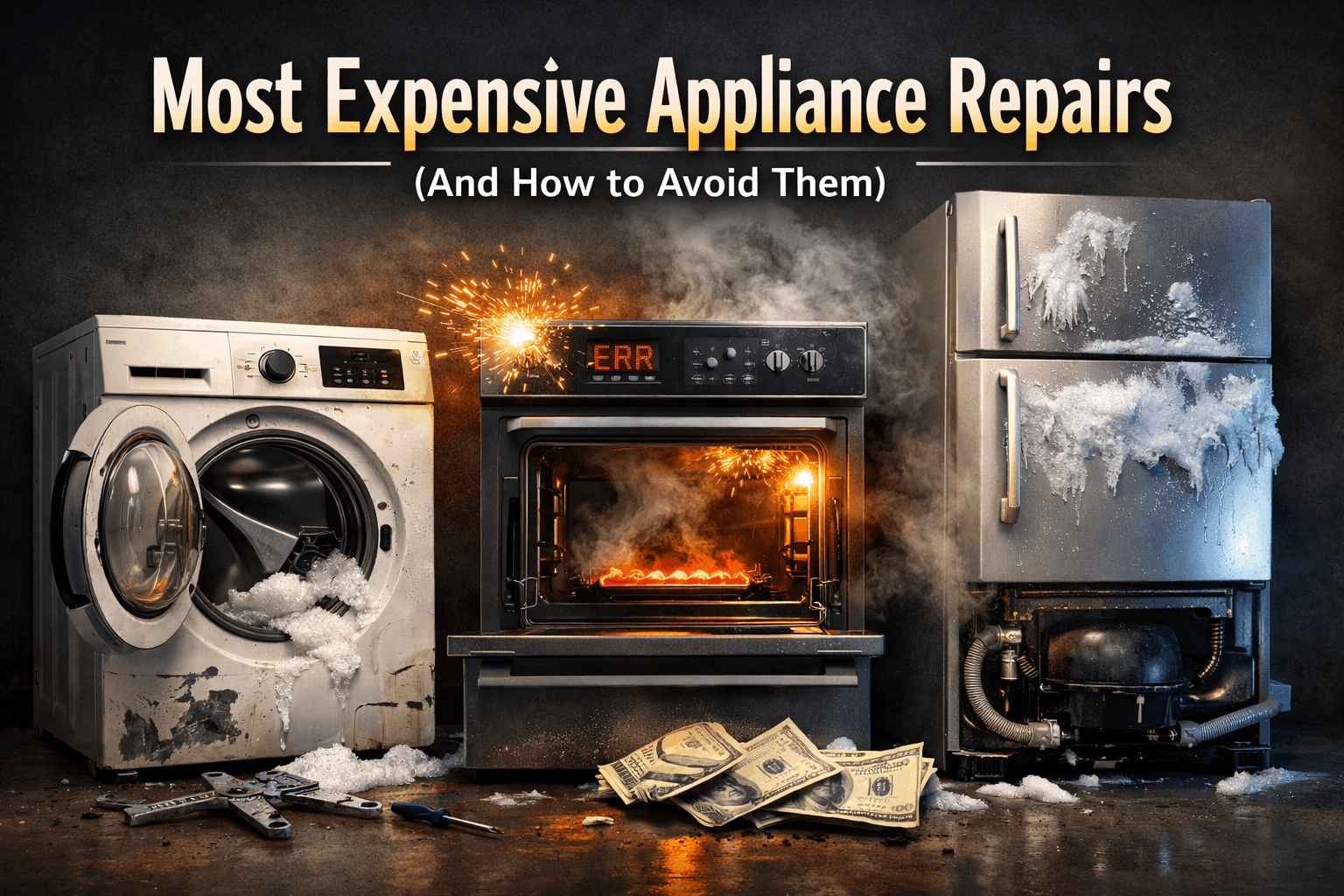
Understanding which repairs are the most costly—and how to prevent them—can help you avoid unexpected expenses and extend the life of your appliances.
Why Some Appliance Repairs Are So Expensive
Not all appliance repairs are equal. The most expensive ones usually involve:
- Core components (compressors, motors, control boards)
- Labor-intensive disassembly
- Specialized parts or systems
- Delayed maintenance leading to severe damage
In many cases, the repair cost is high because the issue was ignored for too long.
1. Refrigerator Compressor Failure
Average Cost: $600 – $1,200+
The compressor is the heart of your refrigerator. It circulates refrigerant and keeps your food cold.
When it fails, the entire cooling system stops working.
Why It’s Expensive
- Complex replacement process
- High-cost component
- Requires professional expertise
Real-World Scenario
A homeowner notices their fridge is slightly warmer but ignores it. Over time, the compressor runs continuously to compensate, eventually overheating and failing completely.
At that point, not only is the repair expensive, but there’s also food loss to consider.
Warning Signs
- Fridge not cooling properly
- Constant running without cycling off
- Clicking or humming noises
2. Washing Machine Drum or Spider Arm Damage
Average Cost: $400 – $1,000+
The drum and spider arm are critical for spinning clothes during wash cycles.
Why It’s Expensive
- Requires full disassembly
- Labor-intensive repair
- Parts can be costly depending on the model
Real-World Scenario
A washing machine starts making loud banging noises during spin cycles. Instead of addressing it early, the issue worsens until the drum becomes unstable.
At that point, the repair involves major internal work.
Warning Signs
- Loud banging or knocking sounds
- Excessive vibration
- Loose or wobbling drum
3. Oven Control Board or Heating Element Failure
Average Cost: $300 – $700+
Modern ovens rely heavily on electronic control boards.
Why It’s Expensive
- Sensitive electronic components
- Replacement parts are not always cheap
- Requires proper diagnosis
Real-World Scenario
An oven takes longer to heat, but the issue is ignored. Eventually, the heating element fails completely, and the control board may also be affected due to overheating.
Warning Signs
- Uneven cooking
- Oven not reaching temperature
- Delayed heating
4. Dishwasher Pump and Motor Failure
Average Cost: $300 – $800+
The pump and motor system controls water circulation and drainage.
Why It’s Expensive
- Core mechanical component
- Requires partial disassembly
- Often linked to long-term buildup issues
Real-World Scenario
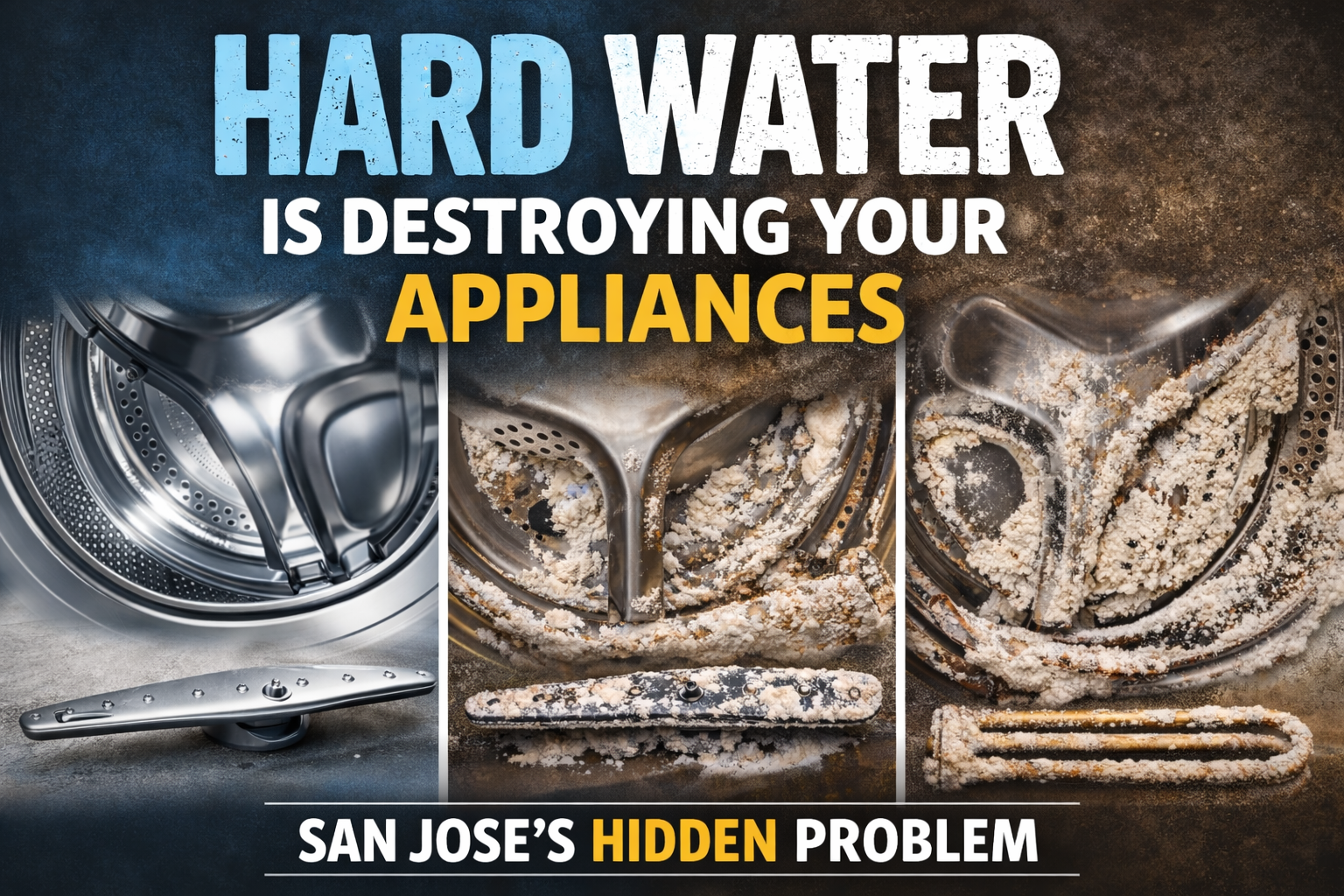
A dishwasher begins leaving residue on dishes. The issue is ignored, and mineral buildup blocks the system, eventually damaging the motor.
Warning Signs
- Dishes not coming out clean
- Water not draining properly
- Strange grinding or buzzing noises
5. Dryer Motor or Heating Element Replacement
Average Cost: $200 – $600+
Dryers rely on both airflow and heat to function properly.
Why It’s Expensive
- Internal components require disassembly
- Often caused by long-term neglect
Real-World Scenario
A dryer takes longer to dry clothes. Instead of cleaning the vent or checking airflow, the issue is ignored until the heating element burns out.
Warning Signs
- Clothes taking too long to dry
- Overheating
- Burning smell
The Hidden Pattern Behind Expensive Repairs
Looking at these examples, a clear pattern emerges:
Most expensive repairs are caused by:
- Ignoring early warning signs
- Lack of maintenance
- Gradual buildup (like debris or hard water damage)
- Overworking the appliance
In other words, the cost isn’t just the repair—it’s the delay.
How to Avoid Costly Appliance Repairs
1. Address Problems Early
Small issues are almost always cheaper to fix than major breakdowns.
2. Perform Regular Maintenance
Routine care can prevent most major failures, especially if you regularly remove limescale from appliances
Examples:
- Clean dryer vents
- Run dishwasher cleaning cycles
- Check refrigerator seals
3. Pay Attention to Warning Signs
Unusual sounds, longer cycles, or reduced performance should never be ignored.
4. Schedule Professional Inspections
A technician can identify problems before they become expensive repairs.
When to Repair vs Replace
In some cases, repair costs may approach the cost of a new appliance.
A general rule:
- If repair cost exceeds 50% of replacement value, consider replacing
- If the appliance is older, replacement may be more cost-effective—especially if you understand how long appliances last
Final Thoughts
Expensive appliance repairs rarely come out of nowhere. They are usually the result of small issues that were left unresolved.
By recognizing early warning signs and taking preventive action, you can avoid major expenses and extend the life of your appliances.
If your appliance is showing signs of trouble, it’s better to act early.
Call us today to speak with a technician and get expert advice. Or book a service appointment online and let us take care of the issue before it turns into a costly repair.